

Jobseeker’s Guide to Skill Development: Bridging the Gap for Your Dream Job
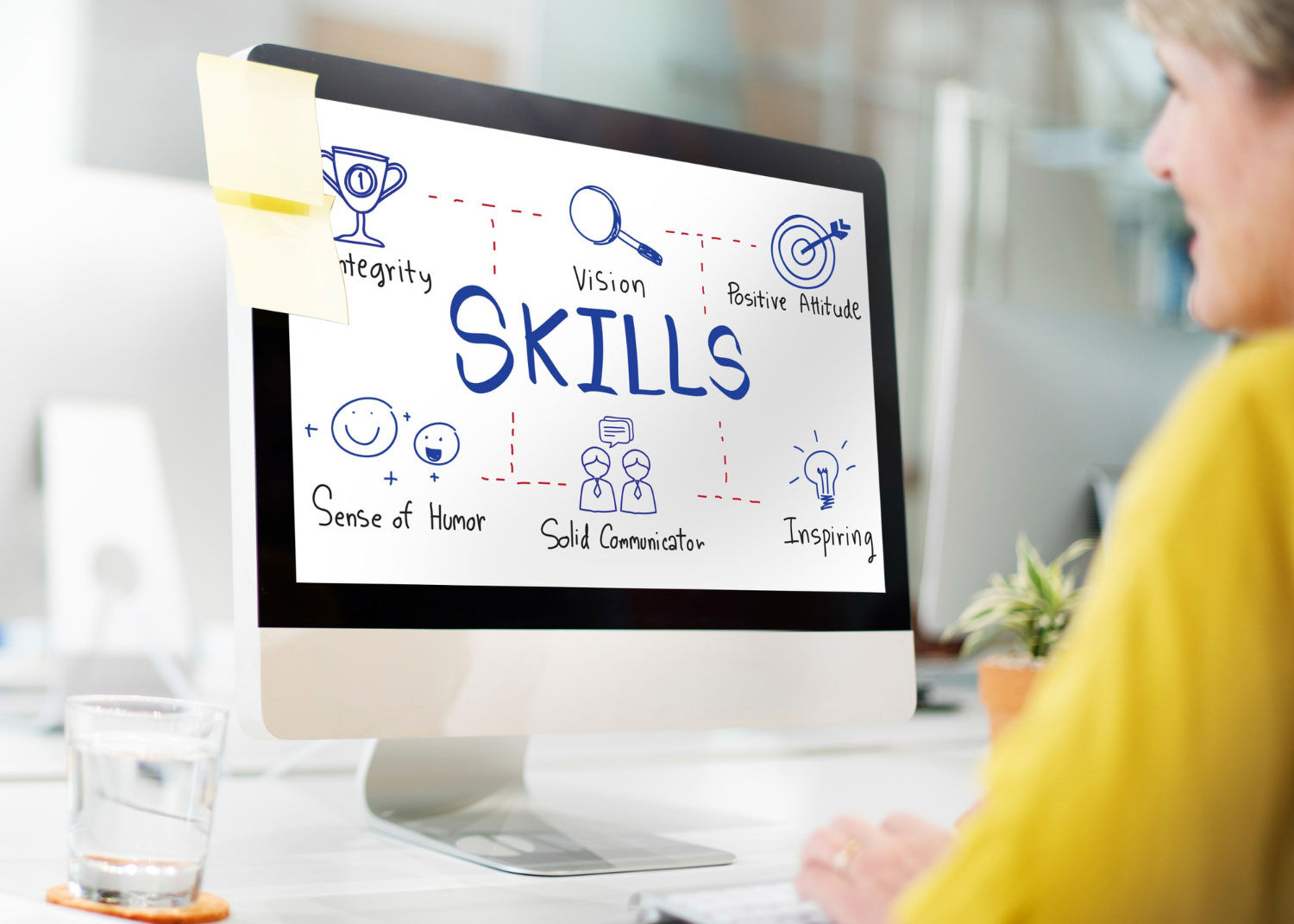

In today’s rapidly evolving job landscape, having the right skills can be the key to unlocking your dream job. As a jobseeker, it’s crucial to proactively develop and showcase the skills that employers are seeking. Whether you’re looking to switch careers, enter a new industry, or simply enhance your current qualifications, skill development is your pathway to success.
Identify the Skills in Demand: Before diving into skill development, it’s important to identify the skills that are in demand within your target industry. Research job postings, company websites, and industry reports to get a clear understanding of the skills employers are looking for. This will help you focus your efforts on learning skills that truly matter.
Assess Your Current Skill Set: Take stock of your existing skills and experiences. Identify the skills that are transferable to your desired role and those that need improvement. This self-assessment will help you tailor your skill development journey to bridge any gaps.
Set Clear Goals: Establish specific and achievable skill development goals. For instance, if you’re transitioning from marketing to data analysis, your goal might be to learn data visualization tools and statistical analysis techniques. Setting clear goals will keep you motivated and provide a sense of direction.
Explore Various Learning Resources: The beauty of skill development today lies in the abundance of learning resources available. From online courses and webinars to workshops and tutorials, you can choose the format that suits your learning style. Platforms like Coursera, LinkedIn Learning, and Udemy offer a wide range of courses on almost every skill imaginable.
Practice Through Projects: Theory is essential, but practical application is equally vital. Engage in real-world projects that allow you to apply newly acquired skills. Building a portfolio of projects not only demonstrates your abilities to potential employers but also provides you with tangible examples to discuss during interviews.
Seek Mentorship and Guidance: Mentorship can provide invaluable insights and guidance as you develop new skills. Reach out to professionals in your desired field or connect with mentors through networking events, online platforms, or even within your own personal network. Learning from those who have walked the path before you can significantly accelerate your progress.
Stay Updated and Adaptive: Industries are constantly evolving, and new technologies emerge frequently. Make continuous learning a habit. Subscribe to industry newsletters, follow thought leaders on social media, and participate in webinars to stay updated with the latest trends and developments in your field.
Showcase Your Skills: As you enhance your skill set, update your resume and online profiles to reflect your new qualifications. Highlight your acquired skills in a dedicated skills section and incorporate them into your work experience descriptions. Be ready to discuss your skill development journey during interviews.
Embrace Lifelong Learning: Skill development doesn’t stop once you land a job. Embrace a mindset of lifelong learning. As you settle into your role, identify areas for growth and keep refining your skills to stay relevant and competitive in your field.
Remember, skill development is a journey, not a destination. It requires dedication, effort, and a willingness to step out of your comfort zone. By consistently developing the skills that matter most in your desired industry, you’ll be well-equipped to bridge the gap between where you are now and where you want to be in your dream job.